
Window Measurement & Sizing Guide for Homeowners
Home Improvement, Window Measurement, Window Sizing Guide
Window Measurement and Sizing Guide for Confident Homeowners
Getting new windows should feel exciting, not stressful. This friendly window measurement and sizing guide will walk you through how to measure windows, understand standard window dimensions, and avoid common mistakes so your installation goes smoothly from start to finish.
Why Accurate Window Measurement Matters
Before you fall in love with a beautiful new window style, it’s important to get the basics right: accurate window measurement. A window that’s even a little too big or too small can cause drafts, water leaks, difficult installation, and extra costs to “fix” the opening on installation day.
Proper measurements help you:
Order the right size windows the first time, avoiding returns or delays
Ensure a snug fit that improves energy efficiency and comfort
Make installation easier for you or your installer
💡 Friendly Tip: Even if you plan to hire a professional, taking your own measurements first helps you compare quotes and feel more confident about the project.
If you decide you’d like expert help at any point, you can always connect with window professionals through SB Pro for guidance and installation services.
Tools You’ll Need Before You Start Measuring
You don’t need anything fancy to follow this window sizing guide. A few simple tools will do the job nicely:
A sturdy tape measure (preferably at least 25 feet long)
A notepad or printed measurement sheet to record window dimensions
A pencil or pen (pencil is handy for marking on walls if needed)
A small level (optional but helpful for checking if frames are square)
💡 Pro Tip: Label each window with a simple code like “Kitchen Left” or “Bedroom 2 – Front” in your notes. This makes ordering and installation much easier later.
How to Measure Windows: Step-by-Step for Existing Frames
Let’s walk through how to measure windows you already have, which is the most common situation for homeowners replacing old windows. These steps are for measuring the inside of the existing frame (or “rough opening”) for replacement windows.
1. Measuring Window Width
You’ll take three width measurements and use the smallest. This helps account for any slight warping or bowing in the existing frame.
Measure across the top of the window opening from jamb to jamb (inside edge to inside edge).
Measure across the middle of the window, again from jamb to jamb.
Measure across the bottom of the window opening.
Write down all three numbers, then circle the smallest width. This is the width you’ll use when ordering. Most professionals then subtract about 1/4 inch to allow for easy fitting and shimming during installation, but your installer or supplier may advise on the exact deduction they prefer.
2. Measuring Window Height
Just like width, you’ll take three height measurements and use the smallest. This ensures your new window isn’t too tall for the existing opening.
Measure from the sill (where the window sits) to the top inside edge of the frame on the left side.
Repeat in the center of the window opening.
Measure on the right side from sill to the top inside edge.
Again, record all three and use the smallest height as your official measurement. As with the width, installers usually allow a small deduction to make sure the window can be leveled and shimmed correctly.
3. Measuring Window Depth (or Jamb Depth)
Depth is often overlooked in a basic window measurement, but it’s especially important for certain window styles and for ensuring your new window sits properly within the wall. To measure depth, place your tape from the inside trim surface to the outside trim surface, excluding decorative trim. Measure in a few spots and use the smallest depth measurement as your guide.
💡 Friendly Reminder: If your home has particularly thick or thin walls, talk with a window specialist to make sure the product you choose is compatible with your wall depth.
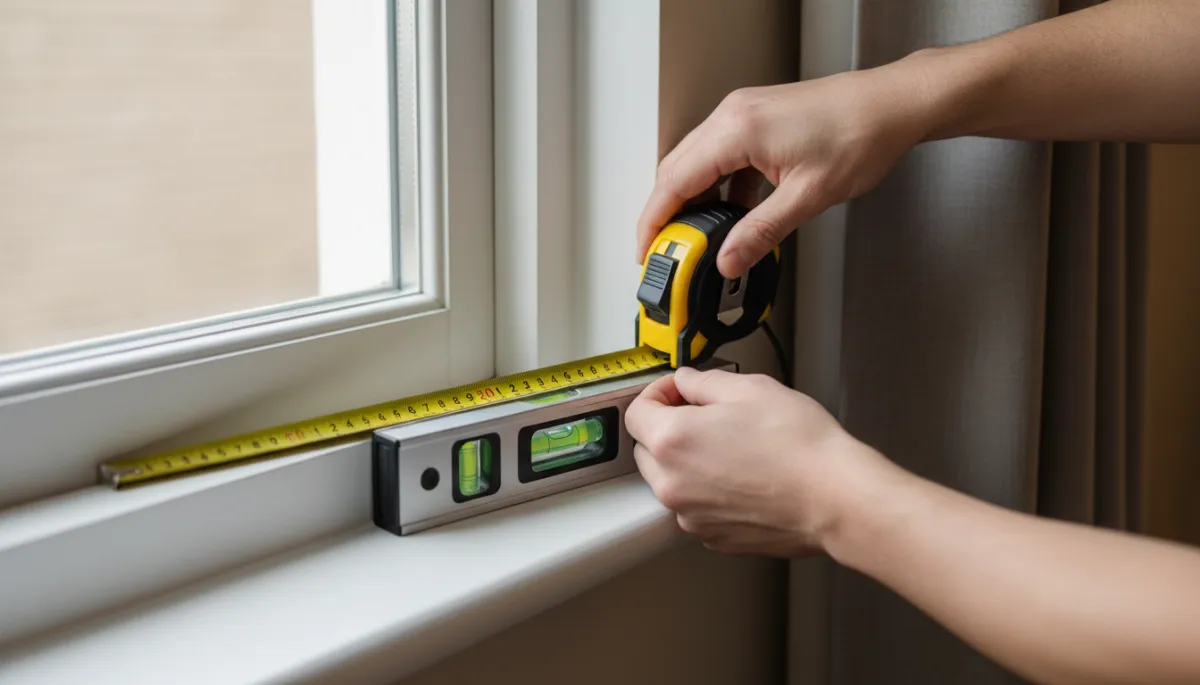
Close-up of a person’s hands using a tape measure and small level on a window frame, interior...
Taking three measurements for width and height helps account for frames that are slightly out of square.
Understanding Window Dimensions and “Nominal Sizes”
When you look at window labels or catalogs, you’ll often see sizes written in a shorthand format, such as “3050” or “3046.” This is where a clear window sizing guide really helps. These codes usually represent the nominal size of the window in feet and inches:
The first two digits are the width in feet (3 = 3 feet)
The last two digits are the height in feet (50 = 5 feet 0 inches)
So, a “3050” window is approximately 3 feet wide by 5 feet tall. The actual frame size is usually slightly smaller to allow for installation clearance. Always compare your measured window dimensions to the manufacturer’s “rough opening” requirements, which will tell you the ideal opening size for that product.
If this feels a bit confusing, don’t worry. Many homeowners find it helpful to share their measurements directly with a window specialist. A team like SB Pro Windows Services can match your numbers to the correct product sizes and explain the options in plain language.
Special Cases: New Construction vs. Replacement Windows
Not all projects are the same, and your approach to window measurement can change depending on whether you’re replacing existing windows or building a new opening.
Replacement Windows
For replacement windows, you usually measure the existing frame from the inside, as we’ve described. The new window is designed to fit into that opening with minimal disruption to your interior and exterior finishes. This is often the least invasive and most budget-friendly option for homeowners.
New Construction or Enlarged Openings
If you’re adding a new window or significantly changing the size of an opening, measurements are taken from the rough opening in the framing. In these cases, it’s especially important to coordinate with a contractor or installer, since structural changes, headers, and building codes come into play. Your rough opening will usually be slightly larger than the nominal window size to allow for flashing, shims, and insulation.
⚠️ Safety Note: If your project involves cutting new openings or altering load-bearing walls, always consult a qualified professional. Proper structural support is essential for safety.
Window Installation Tips for a Smooth Project
Once your window dimensions are confirmed and the new units are ordered, it’s time to think about installation. Even if professionals are doing the work, understanding a few window installation tips helps you ask good questions and recognize quality workmanship.
1. Check Your New Windows on Arrival
Before installation day, carefully inspect each window:
Verify the size label matches your order and your measurements.
Look for any visible damage, cracks, or defects in the frame or glass.
Make sure all hardware and accessories are included.
2. Prepare the Opening Properly
A clean, square opening is key to a good installation. The old window should be fully removed, and any rotten wood or damaged framing should be repaired before the new unit goes in. The sill should be level, and the sides should be plumb (perfectly vertical). A small level is your best friend here.
3. Use Shims and Fasteners Correctly
During installation, the window should be gently shimmed in place to keep it square, level, and plumb. Over-tightening fasteners can warp the frame, while too few fasteners can leave the window loose. Following the manufacturer’s instructions is important for performance and warranty coverage.
4. Seal Against Air and Water
Proper flashing, caulking, and insulation around the frame are essential window installation tips that protect your home from drafts and moisture. High-quality exterior sealant and correctly installed flashing tape help direct water away from the opening. Inside, low-expansion foam or insulation around the frame improves energy efficiency and comfort.
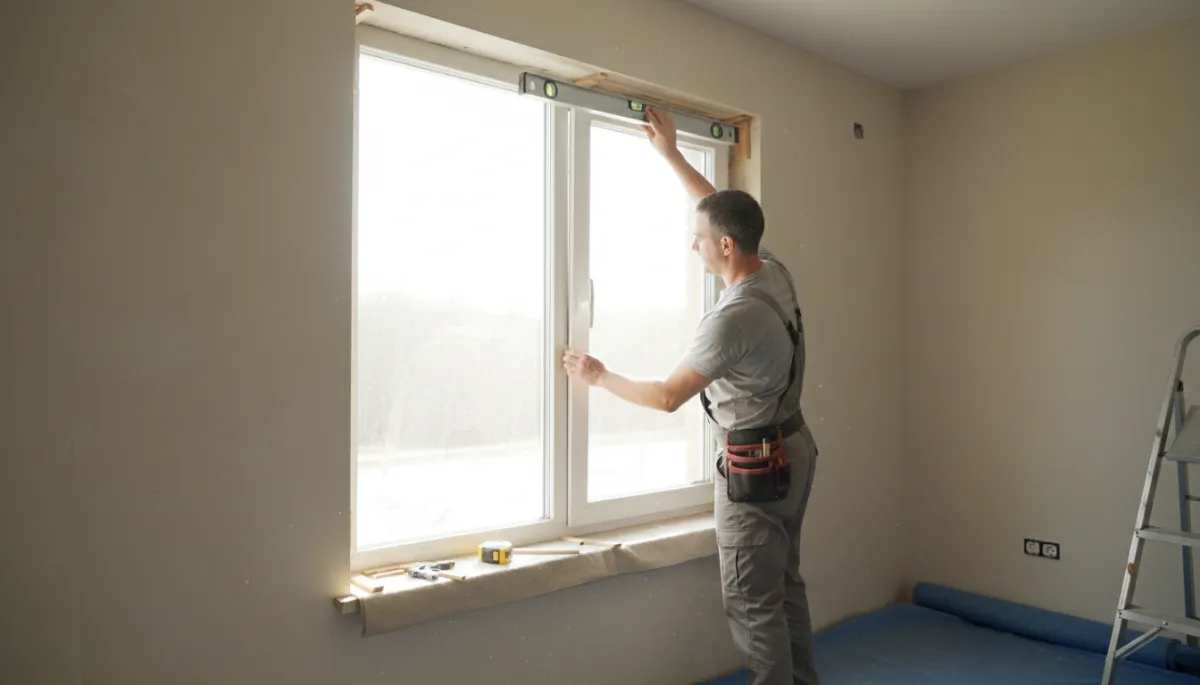
-colored scene of a installer fitting a new window into a prepared opening, using shims and...
A well-prepared opening and careful shimming help new windows operate smoothly for years.
5. Test Operation Before Finishing
Before trim and final caulking are completed, open and close each window several times. Check that the locks line up, the sashes slide or swing easily, and there are no visible gaps. It’s much easier to adjust things now than after everything is sealed and painted.
Common Window Measurement Mistakes to Avoid
Even with a solid window sizing guide, it’s easy to slip up on small details. Here are some of the most common mistakes homeowners make when learning how to measure windows—and how to avoid them:
Measuring only once: Always take three measurements for width and height and use the smallest.
Including trim in measurements: Measure the frame opening, not decorative casing or moldings.
Mixing up width and height: Write size as width × height and keep it consistent in your notes.
Forgetting depth: In some cases, window depth is critical to ensure a proper fit in your wall.
Not checking out-of-square openings: If the difference between measurements is large, your opening may need repair or adjustment before installation.
💡 Friendly Tip: If you’re ever unsure whether you’ve measured correctly, take a photo of the window and your notes and share them with a professional. A quick review can save a lot of hassle later.
When to Call a Professional for Help
Many homeowners feel comfortable taking their own measurements, and that’s a great start. However, there are times when bringing in a professional makes a lot of sense:
Your home is older and has noticeably uneven or settling walls.
You’re planning to change window styles (for example, from slider to casement) and aren’t sure about clearances.
You want to enlarge or move openings, which may involve structural work.
You simply prefer the peace of mind of professional measurements and installation.
Partnering with an experienced window team means you can relax while they handle the technical details. If you’re in a service area covered by SB Pro’s window services, you can schedule a visit where they’ll measure, recommend products, and provide a clear estimate for supply and installation.
Bringing It All Together: Your Window Sizing Guide Checklist
To wrap things up, here’s a friendly checklist you can use as you plan your project. This combines the key points from our window measurement and window installation tips into one quick reference:
Gather your tools: tape measure, notepad, pencil, and level.
Label each window location clearly in your notes.
Measure width in three places (top, middle, bottom) and record the smallest number.
Measure height in three places (left, center, right) and record the smallest number.
Check depth if needed, especially for thicker or thinner walls.
Compare your measurements with the manufacturer’s recommended rough opening sizes.
Inspect new windows when they arrive to confirm sizes and condition.
Ensure the opening is clean, square, and structurally sound before installation.
Use proper shimming, fastening, and sealing techniques (or hire a professional who does).
Test operation and locking before finishing trim and final caulking.
Ready to Take the Next Step?
With this friendly window sizing guide in hand, you’re well on your way to measuring like a pro and choosing windows that fit your home and your style. Whether you’re replacing a single drafty window or planning a whole-home upgrade, taking the time to get accurate window dimensions will pay off in comfort, efficiency, and peace of mind for years to come.
If you’d like expert help with measurements, product selection, or installation, the team at SB Pro is happy to help. Explore their dedicated window services to see what’s possible for your home, or reach out directly through their contact page to schedule a friendly consultation.
With the right measurements, a clear plan, and a bit of professional support when you need it, your new windows can transform your home with more light, better comfort, and a fresh new look you’ll enjoy every day.